
What Is Kinship Care and Why Is It Important?
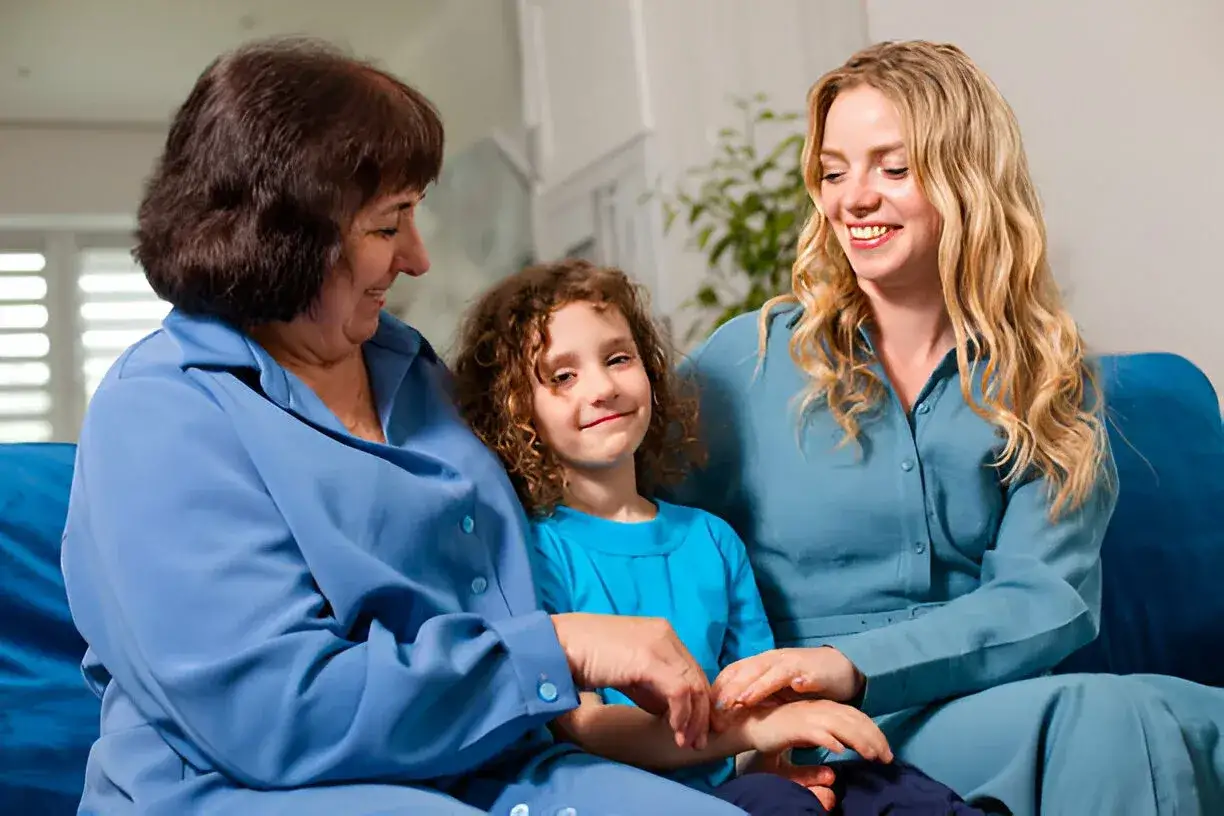
Kinship care starts with a simple idea:
When a child cannot safely stay with their parents, look first to the people they already know, trust, and feel a sense of belonging with. That may be a grandparent, an aunt or uncle, an adult sibling, or another relative. It can also be a trusted adult who has an established family-like relationship with the child, such as a godparent, neighbor, or close family friend. In child welfare, you may hear the term fictive kin for some of these relationships. For a child whose world has suddenly changed, staying connected to familiar people can protect something important: a sense of family, identity, and belonging. Kinship does not remove the need for safety checks, assessment, or support. It changes where we start looking for a safe answer.
What does kinship care mean in Virginia?
Virginia uses kinship care across several different arrangements. A child may stay temporarily with a relative or close family friend through the Parental Child Safety Placement Program while the parents work with their local department to address immediate safety concerns. A child who enters foster care may live with an approved kinship foster parent. For some children, guardianship or adoption later becomes the permanent plan. Those routes have different legal requirements, responsibilities, and sources of support. “Kinship care” does not describe one single legal status. It describes the child being cared for within an existing family or family-like relationship. Virginia law gives that relationship real weight. When a local board is placing a child, it must first consider placement with a kinship foster parent. Virginia law also directs local boards to seek kinship options to help keep children out of foster care when safe and appropriate, as well as to consider kinship for children who do enter foster care.
Why is kinship care important for children?
Entering foster care or leaving a parent’s home can bring enormous change. A child may lose their normal routine, bedroom, school journey, neighborhood and everyday contact with the people they know, all while trying to understand what is happening to their family. A safe kinship placement can reduce some of that disruption. The caregiver may already know how the child likes to be comforted, what they eat, who matters to them and the family stories behind their life. The child can stay connected to familiar relationships, family traditions, community and culture while adults work on what happens next. That continuity does not make the situation easy. Children can still experience grief, fear, anger and trauma. Kinship gives them the chance to face that change with somebody who was already part of their world.
Kinship is bigger than grandparents
Grandparents are a vital part of kinship care, but they are only part of the picture. Aunts, uncles, adult siblings, cousins and extended relatives can all become important resources for a child. Virginia also recognizes that meaningful family connections are not always based on blood or marriage. A close family friend, godparent, neighbor or another trusted adult can have a genuine family-like relationship with a child. When family finding begins, the better question is often not only “Who is related?” but “Who does this child already know as family?”
Kinship first does not mean kinship at any cost
Family connection matters, but safety comes first. A relative or trusted adult still needs to be appropriate for the child and, when foster care is involved, meet the applicable approval requirements. Virginia provides kinship-specific flexibility around some non-safety foster home approval standards because relatives often step forward during a crisis rather than after months of preparation. That flexibility does not remove the responsibility to protect the child. The right kinship placement is one where the child is safe, the relationship is meaningful and the caregiver has the support needed to meet the child’s needs.
Kinship can cross state lines
Family does not stop at Virginia’s border. A child in Virginia may have grandparents in North Carolina, an aunt in Maryland or an adult sibling across the country. Virginia’s relative-search responsibilities include looking beyond the immediate locality, and interstate foster or kinship placements can be coordinated through the Interstate Compact on the Placement of Children, known as ICPC, when it applies. Cross-state work can add steps, but geography should not make a safe and important family relationship invisible. Families should tell the child’s worker early if they want to be considered, even when they live in another state.
Where Extra Special Parents fits
Extra Special Parents has supported Virginia foster children and families since 2006. For us, kinship care is not simply a placement category. It is part of a child-first approach that starts by asking whether a child can safely remain connected to family or another trusted adult they already know. We work alongside DSS teams, child advocates and resource families to help caregivers understand the foster parent journey, prepare for the role and have support around them after placement.